
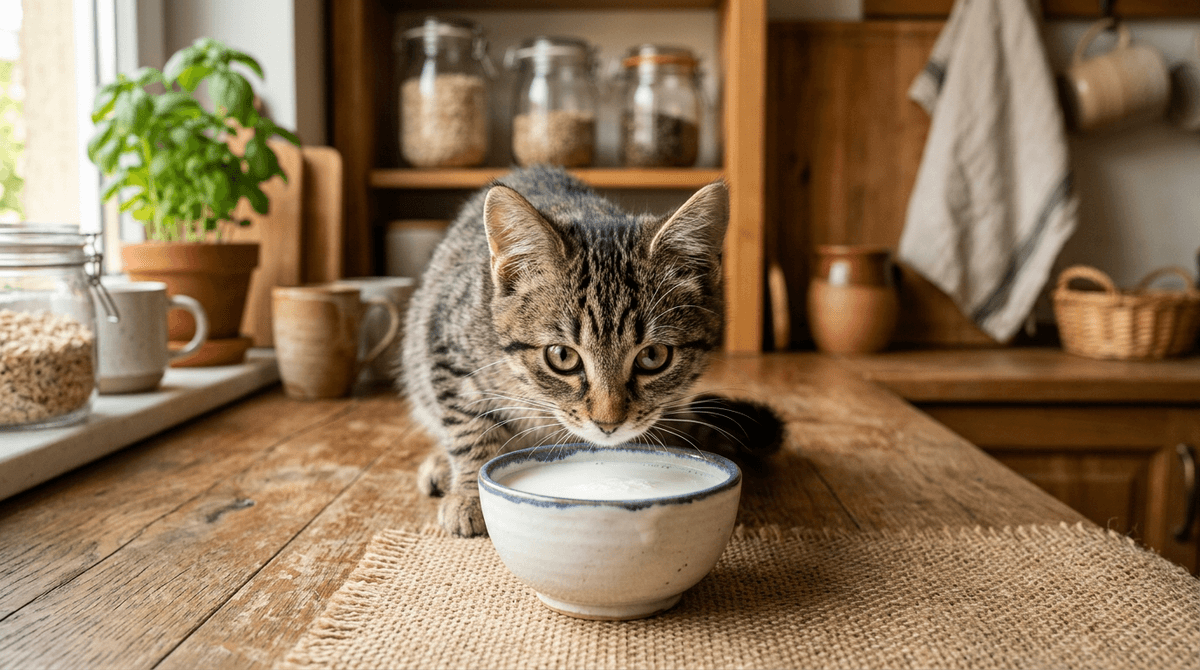
The image of a contented cat lapping up a saucer of milk is deeply ingrained in our cultural consciousness. From storybooks to cartoons, we’ve been taught that milk is the ultimate feline treat. But is it actually safe? Can cats drink milk?
The truth might surprise you. While kittens rely on their mother's milk, most adult cats are actually lactose intolerant. In this article, we’ll dive into the science behind feline lactose intolerance, the risks of feeding dairy to cats, and safe, healthy alternatives.
The Myth of the Milk-Drinking Cat
The association between cats and milk likely stems from farm life, where cats would hang around barns during milking time to catch the warm, fresh milk straight from the cow. While they certainly enjoy the high fat content and taste of milk, their bodies are not equipped to digest it properly once they reach adulthood.
Understanding Feline Lactose Intolerance
Lactose is the primary sugar found in milk and dairy products. To digest lactose, the body needs an enzyme called lactase, which breaks the sugar down into simpler forms (glucose and galactose) that can be absorbed into the bloodstream.
The Role of Lactase in Kittens vs. Adult Cats
- Kittens: Like all mammals, kittens are born with an abundance of lactase in their digestive systems. This allows them to effectively digest the lactose in their mother's milk, which is essential for their early growth and development.
- Weaning: As kittens grow and begin to transition to solid food (usually around 4 to 8 weeks of age), their bodies naturally start producing less lactase.
- Adulthood: By the time a cat reaches adulthood, their lactase production has often dropped significantly, or stopped altogether. Without enough lactase, the lactose in milk cannot be broken down.
What Happens When a Lactose-Intolerant Cat Drinks Milk?
When an adult cat with low lactase levels consumes milk, the undigested lactose passes through the stomach and into the intestines. There, it draws in water and begins to ferment as it interacts with gut bacteria. This fermentation process leads to uncomfortable and sometimes severe gastrointestinal distress.
Symptoms of lactose intolerance in cats typically appear within 8 to 12 hours of consuming dairy and can include:
- Diarrhea
- Vomiting
- Abdominal pain and cramping
- Bloating and excess gas
- Dehydration (as a result of diarrhea)
Are Any Dairy Products Safe for Cats?
While a bowl of cow's milk is generally a bad idea, some dairy products are lower in lactose and may be tolerated by some cats in very small quantities:
- Hard Cheeses: Aged cheeses like cheddar, Swiss, or Parmesan contain significantly less lactose than milk. A tiny piece of hard cheese can be an occasional high-value treat.
- Plain Yogurt: The live cultures (probiotics) in yogurt help break down the lactose, making it easier to digest. A small dab of plain, unsweetened yogurt can even be beneficial for a cat's gut health.
However, it's crucial to remember that cats are obligate carnivores. They require a diet rich in animal protein, not dairy. Even if your cat tolerates cheese or yogurt, these should only be given as rare treats.
Safe Alternatives to Milk
If you want to offer your cat a special liquid treat or encourage them to drink more, there are several safe and healthy alternatives to cow's milk:
1. Specially Formulated "Cat Milk"
Many pet stores sell lactose-free milk designed specifically for cats. These products have the lactose removed and are often fortified with taurine and other essential nutrients. While safe, they are still high in calories and should be given in moderation.
2. Bone Broth
A high-quality, unsalted bone broth (made without onions or garlic) is an excellent, hydrating treat. It's rich in nutrients, highly palatable to cats, and completely lactose-free.
3. Water (The Best Choice)
Fresh, clean water is the only liquid your adult cat truly needs. To encourage drinking, consider investing in a cat water fountain, as many cats prefer running water over still water in a bowl.
Conclusion
So, can cats drink milk? While they might eagerly lap it up, the answer is generally no. The risks of gastrointestinal upset due to lactose intolerance far outweigh any nutritional benefits.
Stick to a high-quality, meat-based diet, provide plenty of fresh water, and save the dairy for yourself. If you must treat your feline friend, opt for a safe alternative like lactose-free cat milk or a savory bone broth.


