
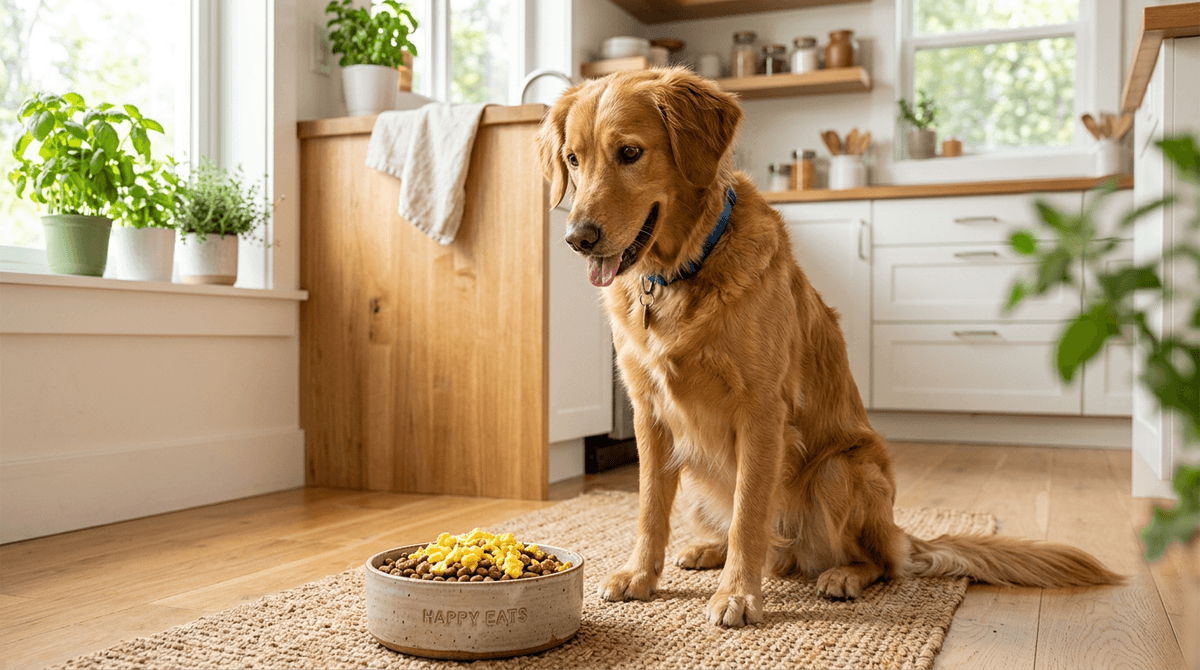
When it comes to sharing human food with our canine companions, the question often arises: Can dogs eat eggs? The short answer is yes! Eggs are a fantastic, highly digestible source of protein and essential nutrients for dogs.
However, the debate over how to feed them—raw versus cooked—can be confusing. In this article, we’ll break down the nutritional benefits of eggs, the pros and cons of raw vs. cooked, and how to safely incorporate them into your dog's diet.
The Nutritional Powerhouse of Eggs
Eggs are often referred to as nature’s perfect protein. For dogs, they offer a wide array of health benefits:
1. High-Quality Protein
Eggs contain all the essential amino acids your dog needs for muscle development, tissue repair, and overall health. They are considered the gold standard for biological value in protein.
2. Essential Fatty Acids
The yolk is rich in fatty acids, which help maintain a healthy, shiny coat and support cellular function.
3. Vitamins and Minerals
Eggs are packed with vital nutrients, including:
- Vitamin A: Supports vision, immune function, and skin health.
- Vitamin B12: Essential for nerve function and blood formation.
- Riboflavin (Vitamin B2): Helps convert food into energy.
- Folate: Important for cell division and DNA synthesis.
- Iron and Selenium: Crucial for oxygen transport and antioxidant defense.
Raw vs. Cooked Eggs: The Great Debate
The most contentious issue regarding feeding eggs to dogs is whether they should be served raw or cooked. Let’s explore both sides.
Feeding Raw Eggs
The Pros:
- Proponents of raw feeding argue that raw eggs retain more of their natural nutrients, as heat can degrade certain vitamins and enzymes.
- Raw eggs are closer to what a dog's wild ancestors would have consumed.
The Cons (and Risks):
- Salmonella Risk: Raw eggs can carry Salmonella, which can cause severe gastrointestinal illness in dogs (and humans handling the food).
- Biotin Deficiency: Raw egg whites contain an enzyme called avidin, which binds to biotin (Vitamin B7) and prevents its absorption. Over time, feeding large amounts of raw egg whites can lead to a biotin deficiency, causing skin and coat problems.
- Digestibility: Some studies suggest that the protein in cooked eggs is actually more digestible than in raw eggs.
Feeding Cooked Eggs
The Pros:
- Safety: Cooking eggs kills harmful bacteria like Salmonella, making them much safer for your dog.
- Biotin Availability: Cooking denatures the avidin in the egg white, eliminating the risk of biotin deficiency.
- Digestibility: The protein in cooked eggs is highly bioavailable.
The Cons:
- Overcooking can slightly reduce the nutritional value, particularly heat-sensitive vitamins.
- Cooking methods that use butter, oil, or seasonings can be harmful to dogs.
How to Safely Prepare Eggs for Your Dog
If you decide to feed your dog eggs, here are the best practices:
- Cook Them Plain: Boil, poach, or scramble the eggs without any added butter, oil, salt, pepper, or spices. Onions and garlic, often used in human egg dishes, are highly toxic to dogs.
- Hard-Boiled is Best: Hard-boiled eggs are easy to prepare, store, and chop up as a topper for your dog's regular kibble.
- What About the Shells? Eggshells are an excellent source of calcium. If you want to feed the shells, dry them out and grind them into a fine powder to sprinkle over your dog's food. Ensure the eggs are organic and washed to avoid pesticides.
How Many Eggs Can a Dog Eat?
While eggs are healthy, they should be treated as a supplement or treat, not a meal replacement. Treats and supplements should make up no more than 10% of your dog's daily caloric intake.
- Small Dogs: 1/4 to 1/2 an egg per day
- Medium Dogs: 1/2 to 1 egg per day
- Large Dogs: 1 to 2 eggs per day
Note: Eggs are relatively high in fat and calories (about 70 calories per large egg). If your dog is overweight or prone to pancreatitis, consult your vet before adding eggs to their diet.
Conclusion
Eggs are a wonderful, nutrient-dense addition to your dog's diet. While some owners prefer raw feeding, cooked eggs are generally the safer and more reliable option due to the risks of bacterial contamination and biotin deficiency associated with raw eggs.
Whether scrambled as a weekend treat or hard-boiled as a daily meal topper, eggs are sure to get your dog's tail wagging!


