
Chronic Kidney Disease (CKD) is one of the most common ailments affecting older cats. While the diagnosis can be frightening, the right nutritional management can significantly slow the progression of the disease, alleviate symptoms, and dramatically improve your cat's quality of life.
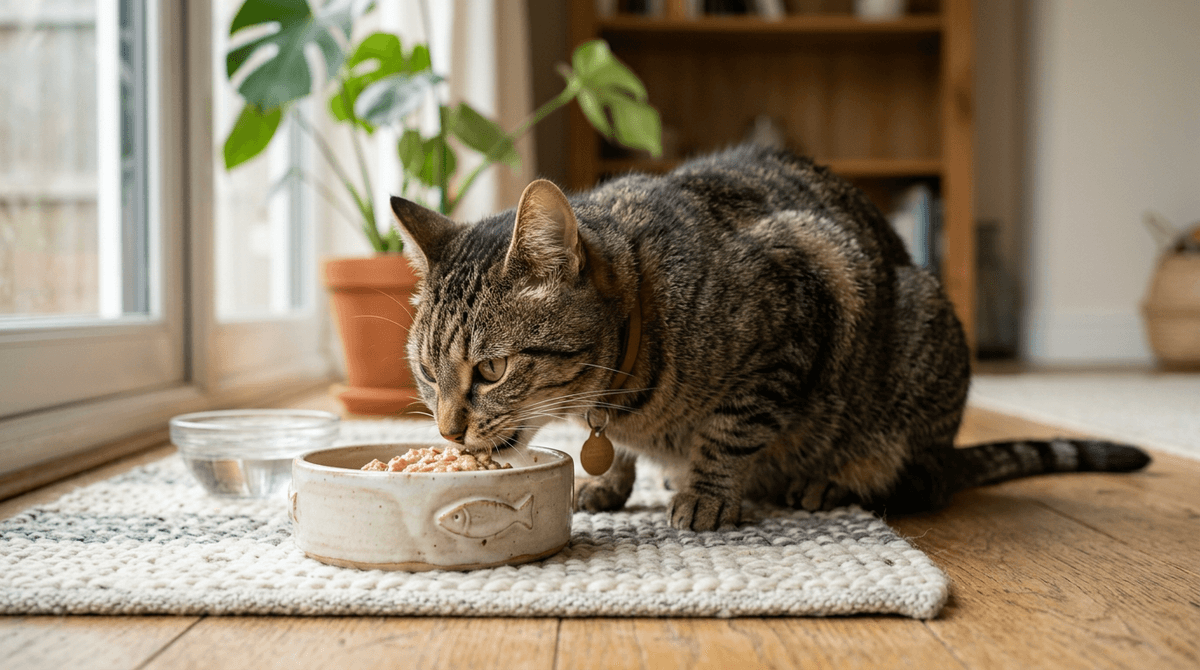
Diet is not just a part of managing CKD; it is the cornerstone of treatment. In this comprehensive guide, we'll delve into the science behind renal diets, focusing on the critical roles of phosphorus restriction, controlled protein, and hydration.
Understanding Chronic Kidney Disease in Cats
The kidneys perform several vital functions: they filter waste products from the blood, regulate hydration, balance electrolytes (like phosphorus and potassium), and produce hormones that stimulate red blood cell production.
When a cat develops CKD, these functions gradually decline. Waste products build up in the bloodstream (a condition called uremia), making the cat feel nauseous, lethargic, and generally unwell. The goal of a renal diet is to minimize this workload and manage the symptoms of uremia.
The Pillars of a Renal Support Diet
A therapeutic renal diet is specifically formulated to address the metabolic changes caused by failing kidneys. It is vastly different from standard adult or even senior cat food.
1. Severe Phosphorus Restriction
This is the single most important intervention in managing feline CKD.
Healthy kidneys easily excrete excess phosphorus. Damaged kidneys cannot. When phosphorus levels build up in the blood (hyperphosphatemia), it triggers a cascade of hormonal events that pull calcium from the bones and deposit it into soft tissues, including the kidneys themselves, causing further, rapid damage.
Renal diets are severely restricted in phosphorus to prevent this cycle, slowing the progression of the disease more effectively than any other dietary change.
2. Controlled, High-Quality Protein
The role of protein in CKD diets is often misunderstood. The breakdown of dietary protein creates waste products (like urea) that the kidneys must filter. High levels of these waste products cause the nausea and lethargy associated with CKD.
Therefore, renal diets feature controlled levels of protein to minimize uremic toxins. However, the protein used must be of exceptionally high quality and highly digestible. This ensures the cat gets the essential amino acids they need to maintain muscle mass without overloading the kidneys with unnecessary waste.
3. Increased Moisture Content
Cats with CKD lose their ability to concentrate urine, meaning they urinate larger volumes and become dehydrated very easily. Dehydration further compromises kidney function.
Feeding a wet food (canned or pouch) renal diet is highly recommended. It significantly increases their daily water intake compared to dry kibble. If your cat absolutely refuses wet food, you must find other ways to encourage drinking, such as using water fountains or adding low-sodium broth to their water.
4. Added Omega-3 Fatty Acids and Antioxidants
Renal diets are often fortified with Omega-3 fatty acids (EPA and DHA) from fish oil. These have potent anti-inflammatory properties that can help reduce inflammation within the kidneys. Antioxidants (like Vitamins E and C) are also added to combat oxidative stress, which contributes to kidney damage.
5. Potassium Supplementation
Cats with CKD often lose too much potassium in their urine. Low potassium (hypokalemia) causes severe muscle weakness, particularly in the neck. Renal diets are typically supplemented with potassium to prevent this.
Prescription vs. Over-the-Counter Diets
When it comes to managing CKD, prescription veterinary diets are the gold standard.
Brands like Hill's Prescription Diet (k/d), Royal Canin (Renal Support), and Purina Pro Plan Veterinary Diets (NF) have been clinically proven to extend the lifespan and improve the quality of life of cats with CKD compared to standard maintenance diets.
Over-the-counter "senior" or "urinary" diets are not appropriate for managing CKD. They do not have the necessary degree of phosphorus or protein restriction.
The Challenge: Getting Your Cat to Eat
The biggest hurdle in managing CKD is often palatability. Renal diets can be less appealing because they are lower in protein and phosphorus (which cats naturally crave), and uremic cats often suffer from nausea and a decreased sense of smell.
If your cat refuses their renal diet:
- Transition Slowly: Mix the new food with their old food gradually over several weeks.
- Warm It Up: Slightly warming wet food enhances its aroma.
- Try Different Textures/Brands: Most prescription brands offer various textures (pate, morsels in gravy) and flavors.
- Talk to Your Vet: If your cat completely stops eating, consult your vet immediately. They can prescribe anti-nausea medications or appetite stimulants to help them feel better and start eating again.
Conclusion
A diagnosis of Chronic Kidney Disease requires a lifelong commitment to dietary management. By strictly adhering to a low-phosphorus, controlled-protein renal diet, you can give your cat the best possible chance at a longer, more comfortable life. Always work closely with your veterinarian to monitor your cat's condition and adjust their diet and treatment plan as needed.
Read more about general senior cat nutrition and early intervention strategies


