
A diagnosis of diabetes mellitus in your dog can be overwhelming. It means their pancreas is no longer producing enough insulin, or their body isn't using it effectively, leading to dangerously high blood sugar levels. While insulin therapy is almost always required, diet plays an equally critical role in managing the disease.
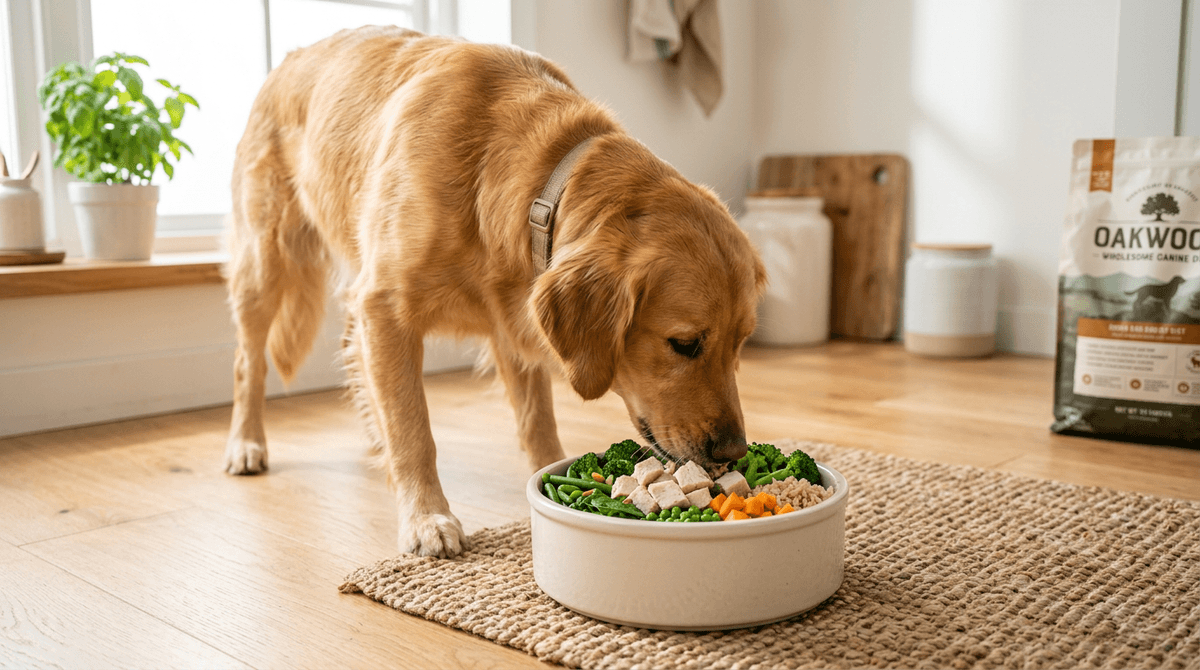
In this comprehensive guide, we'll explore how to choose the right diabetic dog food, establish a consistent feeding routine, and use nutrition to keep your dog's blood sugar stable and their tail wagging.
The Goals of a Diabetic Dog Diet
The primary objective of feeding a diabetic dog is to minimize post-meal spikes in blood glucose (sugar) while providing the necessary nutrients for overall health and weight management.
A well-formulated diabetic diet aims to:
- Regulate Blood Sugar: Prevent dangerous highs and lows.
- Achieve Ideal Body Weight: Obesity causes insulin resistance.
- Provide Consistent Nutrition: Predictability is key when dosing insulin.
Key Nutritional Components for Diabetic Dogs
Unlike humans, dogs don't necessarily need a strict "low-carb" diet to manage diabetes, but the type of carbohydrates and the overall macronutrient profile matter significantly.
1. High-Quality Protein
Protein is essential for maintaining lean muscle mass, especially if your dog needs to lose weight. High-quality, highly digestible protein sources (like chicken, turkey, or fish) should be the foundation of their diet.
2. Complex Carbohydrates and Fiber
This is where diabetic diets differ most from standard dog food. Simple carbohydrates (like white rice or corn syrup) cause rapid spikes in blood sugar. Diabetic dogs need complex carbohydrates that break down slowly, providing a steady release of glucose.
Fiber is the secret weapon in a diabetic diet:
- Insoluble Fiber: Adds bulk to the stool and helps the dog feel full, which is crucial for weight loss.
- Soluble Fiber: Forms a gel in the digestive tract, slowing the absorption of glucose into the bloodstream and blunting post-meal sugar spikes.
Look for ingredients like oats, barley, sorghum, and vegetables.
3. Controlled Fat Levels
Many diabetic dogs are overweight, and high-fat diets can contribute to obesity and insulin resistance. Furthermore, diabetic dogs are at a higher risk for pancreatitis, a painful inflammation of the pancreas often triggered by fatty foods. A moderate to low-fat diet is generally recommended.
Choosing the Right Diabetic Dog Food
You have several options when it comes to feeding your diabetic dog. The best choice depends on their specific needs, any concurrent health issues, and your veterinarian's recommendations.
Prescription Diabetic Diets
Veterinary prescription diets (like Hill's w/d or Royal Canin Glycobalance) are specifically formulated with the ideal ratio of protein, complex carbs, and high fiber to manage blood sugar. They are often the easiest and most reliable way to ensure consistent nutrition.
Over-the-Counter Options
Some high-quality, over-the-counter weight management or senior diets can work for diabetic dogs, provided they have a suitable macronutrient profile (high protein, moderate/high fiber, low fat). However, these require careful scrutiny of the label and close monitoring of your dog's blood sugar.
Homemade Diets
While possible, formulating a homemade diet for a diabetic dog is incredibly challenging and should only be done under the direct supervision of a board-certified veterinary nutritionist. Inconsistencies in a homemade diet can lead to dangerous fluctuations in blood sugar.
The Importance of Routine: Feeding and Insulin
Consistency is just as important as the food itself. To effectively manage diabetes, your dog's feeding and insulin schedule must be meticulously maintained.
- Two Meals a Day: Most diabetic dogs require insulin injections twice a day, 12 hours apart. Their meals should coincide with these injections.
- Consistent Portions: Measure their food precisely using a kitchen scale or a standard measuring cup. Do not free-feed.
- Timing is Everything: Typically, you should feed your dog their meal and administer the insulin injection immediately after they eat. If they refuse to eat, do not give their full dose of insulin, as this can cause a life-threatening drop in blood sugar (hypoglycemia). Always consult your vet for a "sick day" protocol.
- Strict Treat Management: Treats add calories and carbohydrates. Avoid sugary treats entirely. Opt for high-protein, low-carb options like freeze-dried meat, or use pieces of their regular kibble as treats.
Conclusion
Managing a diabetic dog requires commitment, consistency, and a strong partnership with your veterinarian. By choosing a diet rich in high-quality protein and complex, fiber-rich carbohydrates, and adhering to a strict feeding schedule, you can help your dog maintain stable blood sugar levels and enjoy a happy, active life.
Learn about managing weight in senior dogs, a key factor in preventing diabetes


