
Pancreatitis in dogs is a serious and potentially life-threatening condition that requires immediate veterinary attention and long-term dietary management. The pancreas plays a crucial role in digestion by producing enzymes that break down food. When it becomes inflamed, these enzymes can activate prematurely, causing the pancreas to essentially digest itself.
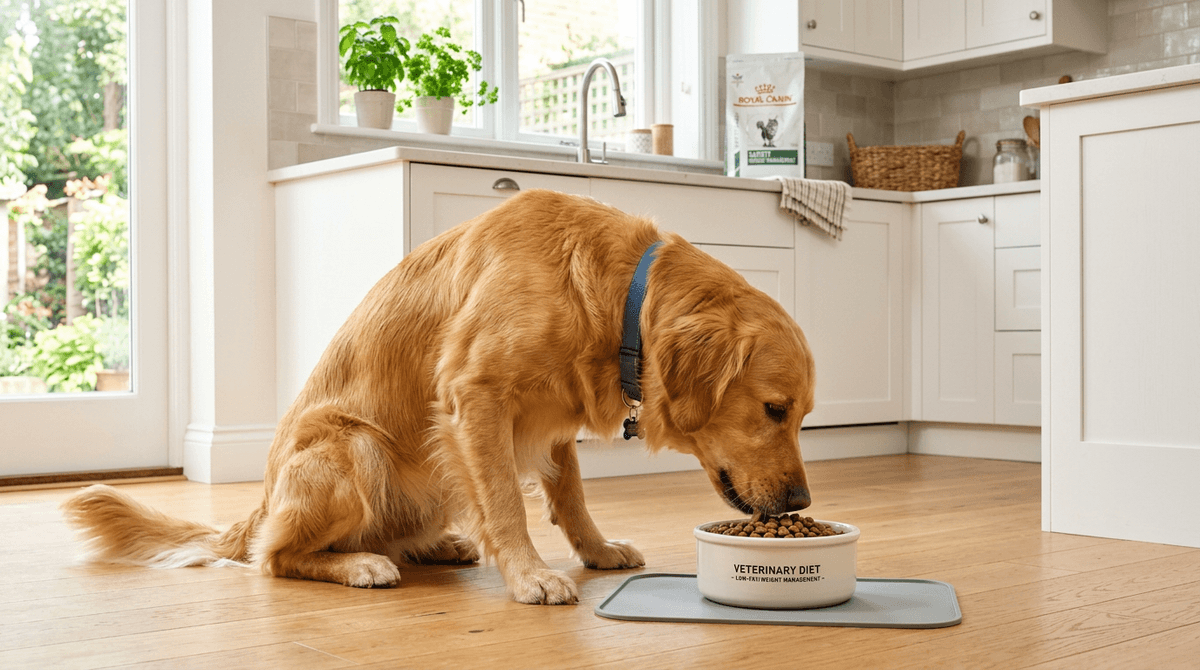
One of the most critical components of managing and preventing flare-ups of pancreatitis is a strict, low-fat diet. In this comprehensive guide, we'll explore everything you need to know about feeding a dog with pancreatitis.
Understanding Pancreatitis in Dogs
Before diving into the diet, it's essential to understand what pancreatitis is and why fat plays such a significant role.
Acute vs. Chronic Pancreatitis
- Acute Pancreatitis: A sudden onset of inflammation, often severe. It can be triggered by a high-fat meal (like table scraps during the holidays).
- Chronic Pancreatitis: Ongoing, low-grade inflammation that can cause long-term damage to the pancreas and surrounding organs.
Why is Fat the Enemy?
The pancreas is responsible for releasing lipase, the enzyme that breaks down fat. When a dog consumes a high-fat meal, the pancreas is forced to work overtime. In a healthy dog, this is normal. But in a dog prone to pancreatitis, this overstimulation can trigger severe inflammation.
The Principles of a Pancreatitis Diet
When formulating or choosing a diet for a dog with pancreatitis, several key principles must be followed:
1. Ultra-Low Fat Content
This is the non-negotiable cornerstone of the diet. For dogs with a history of pancreatitis, the diet should typically contain less than 10% fat on a dry matter basis (often closer to 5-8% for severe cases).
2. Highly Digestible Proteins
The protein source should be lean and highly digestible to reduce the workload on the entire gastrointestinal tract. Good options include:
- Boiled white meat chicken breast (skinless)
- Turkey breast
- Lean white fish (like cod or tilapia)
3. Moderate to Low Carbohydrates
Complex carbohydrates that are easy to digest provide necessary energy without taxing the pancreas. White rice, potatoes (without skin), and sweet potatoes are often well-tolerated.
Best Commercial Dog Foods for Pancreatitis
While home-cooked diets can be excellent, many owners prefer the convenience and guaranteed nutritional balance of commercial foods.
Prescription Diets
Veterinary prescription diets are often the safest route, as they are specifically formulated and rigorously tested for dogs with gastrointestinal and pancreatic issues.
- Hill's Prescription Diet i/d Low Fat
- Royal Canin Veterinary Diet Gastrointestinal Low Fat
- Purina Pro Plan Veterinary Diets EN Gastroenteric Low Fat
Over-the-Counter Options
If your vet approves an over-the-counter option for mild or chronic cases, look for weight management or "light" formulas, but always check the guaranteed analysis and convert the fat percentage to a dry matter basis.
Foods to Strictly Avoid
If your dog has pancreatitis, the following foods must be completely eliminated from their diet:
- Fatty meats: Bacon, sausage, beef trimmings, pork belly.
- Dairy products: Cheese, butter, ice cream, high-fat yogurt.
- Oils and fats: Coconut oil, excessive fish oil, meat drippings.
- Human table scraps: Even a small piece of fatty steak can trigger a relapse.
Transitioning to a Low-Fat Diet
Any dietary change should be made gradually to avoid upsetting the stomach further.
- Days 1-2: 75% old food, 25% new low-fat food.
- Days 3-4: 50% old food, 50% new low-fat food.
- Days 5-6: 25% old food, 75% new low-fat food.
- Day 7: 100% new low-fat food.
Note: If your dog is recovering from an acute attack, your vet may recommend fasting them for 24-48 hours followed by an immediate switch to a prescription low-fat diet.
Long-Term Management and Monitoring
Managing pancreatitis is a lifelong commitment.
- Strict Adherence: No cheating with treats. Even one high-fat treat can cause a flare-up.
- Frequent Small Meals: Feeding 3-4 small meals a day instead of 1-2 large ones can reduce the burden on the pancreas.
- Regular Vet Check-ups: Routine blood work (specifically checking PLI levels) can help monitor pancreatic health before symptoms appear.
Conclusion
A diagnosis of pancreatitis can be scary, but with strict dietary management and a commitment to a low-fat lifestyle, most dogs can go on to live long, happy, and comfortable lives. Always consult with your veterinarian before making any changes to your dog's diet, especially when dealing with a medical condition like pancreatitis.


