
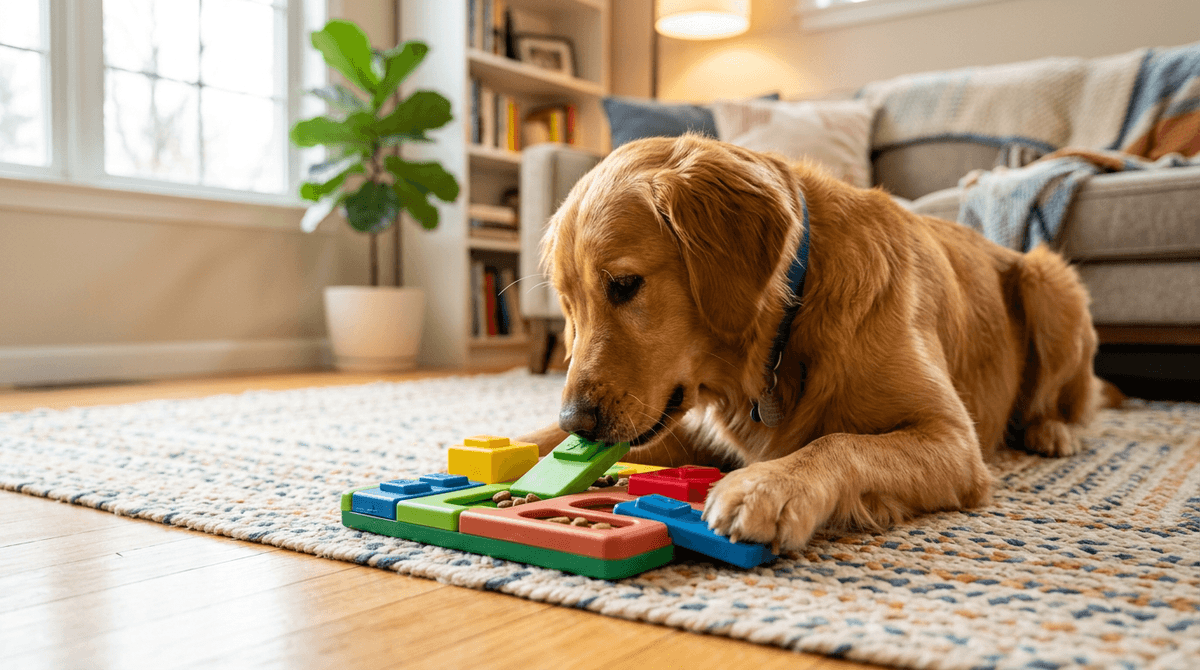
For many pets, mealtime is the highlight of the day. However, when a dog or cat inhales their food in a matter of seconds, they miss out on the mental and physical engagement that eating should provide. This rapid eating can also lead to serious health issues, including choking, vomiting, and a life-threatening condition known as gastric dilatation-volvulus (GDV), or bloat.
Enter food puzzle toys and slow feeders. These ingenious devices are designed to make your pet work for their food, transforming a 30-second gulp-fest into a 15-minute enriching activity. In this comprehensive guide, we’ll explore the dual benefits of these tools: improving digestion and providing crucial mental stimulation.
The Dangers of Fast Eating
Before diving into the solutions, it’s important to understand why fast eating is a problem. When a pet eats too quickly, they swallow large amounts of air along with their food. This can cause:
- Gastrointestinal Upset: Swallowing air leads to excessive gas, burping, and flatulence.
- Regurgitation and Vomiting: Eating too fast often causes the stomach to reject the food shortly after it’s consumed.
- Choking: Gulping kibble without chewing increases the risk of choking.
- Bloat (GDV): In dogs, particularly deep-chested breeds (like Great Danes, German Shepherds, and Standard Poodles), rapid eating and the ingestion of air can cause the stomach to expand and twist. This is a medical emergency that requires immediate surgery and can be fatal if not treated promptly.
How Slow Feeders Improve Digestion
Slow feeder bowls are designed with ridges, bumps, and obstacles that force your pet to eat around them, significantly slowing down their intake.
1. Preventing Bloat and Gas
By slowing the eating process, slow feeders reduce the amount of air swallowed, drastically lowering the risk of bloat and uncomfortable gas.
2. Better Nutrient Absorption
When a pet eats slowly and actually chews their food, the digestive process begins in the mouth with saliva. This allows the stomach and intestines to break down the food more efficiently, leading to better nutrient absorption.
3. Weight Management
Just like in humans, it takes time for a pet's brain to register that their stomach is full. Eating slowly helps them feel satiated with smaller portions, making slow feeders an excellent tool for managing obesity.
The Power of Mental Stimulation
While slow feeders are great for physical health, food puzzle toys take mealtime to the next level by engaging your pet's brain. These toys require your pet to solve a problem—sniffing, pawing, nudging, or rolling the toy—to access their food.
1. Combating Boredom and Destructive Behavior
A bored pet is a destructive pet. Dogs and cats are intelligent animals that need mental exercise just as much as physical exercise. A 15-minute session with a puzzle toy can be as exhausting as a long walk, helping to curb behaviors like chewing furniture, excessive barking, or over-grooming.
2. Tapping into Natural Instincts
In the wild, animals spend a significant portion of their day foraging and hunting for food. Puzzle toys mimic this natural behavior, allowing your pet to use their senses (especially smell) to "hunt" for their kibble. This is deeply satisfying and enriching for them.
3. Building Confidence
Solving a puzzle provides a sense of accomplishment. For anxious or fearful pets, successfully extracting food from a toy can boost their confidence and help them feel more secure in their environment.
Types of Food Puzzles and Slow Feeders
There is a vast array of options on the market, catering to different skill levels and feeding styles.
For Dogs:
- Slow Feeder Bowls: Best for dogs who simply need to slow down. They come in various difficulty levels based on the complexity of the ridges.
- Snuffle Mats: Fabric mats with deep fringes where you can hide dry kibble. Dogs must use their noses to sniff out the food.
- Classic Kongs: Rubber toys that can be stuffed with wet food, peanut butter, or soaked kibble and frozen for a long-lasting challenge.
- Interactive Board Games: Advanced puzzles with sliding compartments and hidden cups that require the dog to use their paws and nose to uncover the food.
For Cats:
- LickiMats: Textured silicone mats designed to be smeared with wet food or purees. Licking is naturally soothing for cats.
- Hunting Feeders: Small, mouse-shaped toys that can be filled with kibble and hidden around the house, encouraging the cat's natural hunting instincts.
- Treat Mazes: Towers or boards where cats must bat kibble through various levels to reach the bottom.
How to Introduce Puzzle Toys
If your pet has never used a puzzle toy, it’s important to introduce it gradually to prevent frustration.
- Start Easy: Use a simple slow feeder or a puzzle toy on its easiest setting. Ensure the food is highly visible and easy to extract.
- Use High-Value Food: If they are hesitant, mix their regular kibble with a high-value treat (like a little plain chicken or a dab of wet food) to entice them.
- Supervise: Always supervise your pet during the first few uses to ensure they don't try to chew or destroy the toy itself.
- Increase Difficulty: Once they master the easy level, gradually introduce more complex puzzles or freeze their stuffed toys to make them last longer.
Conclusion
Ditching the traditional food bowl in favor of a slow feeder or puzzle toy is one of the easiest and most impactful changes you can make for your pet's well-being. By turning mealtime into a challenging, enriching activity, you are not only protecting their digestive health but also nurturing their mind and satisfying their natural instincts.


