
If you own a cat, you are likely familiar with the unpleasant sound of a hairball being expelled. While an occasional hairball is a normal part of feline life, frequent hairballs can be distressing for your cat and messy for your home. In severe cases, they can even cause dangerous intestinal blockages.
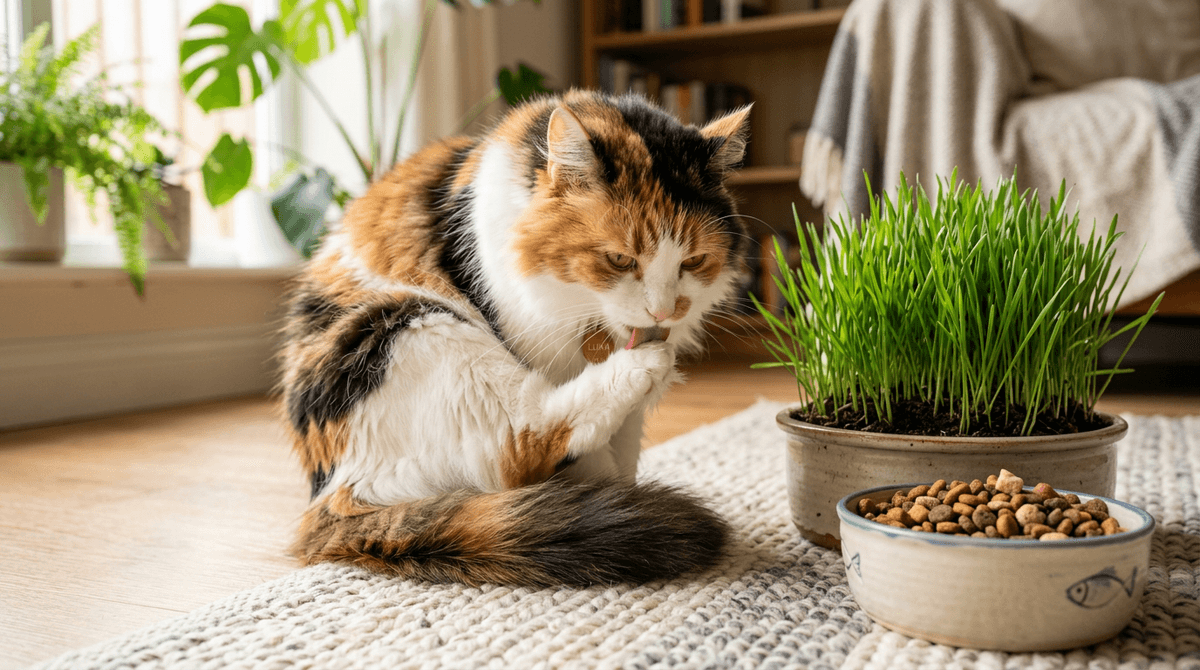
Fortunately, nutrition plays a massive role in managing and preventing this issue. Hairball control cat foods are specifically formulated to help ingested hair pass safely through the digestive tract. In this guide, we'll explore the science behind hairballs, how dietary fiber works its magic, and how to choose the right diet for your grooming-obsessed feline.
Understanding the Hairball Problem
Cats are meticulous groomers, spending up to 30% of their waking hours cleaning themselves. Their tongues are covered in tiny, backward-facing barbs called papillae, which act like a comb, catching loose and dead hair.
Because cats cannot spit this hair out, they swallow it. Hair is composed primarily of keratin, a tough protein that is completely indigestible.
In a perfectly functioning digestive system, this ingested hair passes smoothly through the stomach and intestines and is excreted in the feces. However, when too much hair accumulates in the stomach, it binds together into a dense, cigar-shaped mat—a trichobezoar, commonly known as a hairball. When it becomes too large to pass into the intestines, the cat must vomit it up.
How Hairball Control Cat Food Works
The primary mechanism behind hairball control diets is the strategic use of dietary fiber. By manipulating the types and amounts of fiber in the food, these diets alter the digestive process to keep hair moving.
1. The Power of Insoluble Fiber
Insoluble fiber, as the name suggests, does not dissolve in water. It passes through the digestive tract largely intact. Common sources in cat food include:
- Cellulose (plant fiber)
- Beet pulp
- Pea fiber
- Oat fiber
How it helps: Insoluble fiber acts like a microscopic broom. It adds bulk to the stool and stimulates peristalsis—the rhythmic muscle contractions of the intestines. This "sweeping" action catches individual strands of hair before they can clump together in the stomach, pushing them safely through the digestive tract and into the litter box.
2. The Role of Soluble Fiber
Soluble fiber dissolves in water to form a gel-like substance in the gut. Common sources include:
- Psyllium husk
- Inulin
- Fructooligosaccharides (FOS)
How it helps: The gel created by soluble fiber lubricates the digestive tract, making it easier for the bulky, hair-filled stool to pass smoothly. Additionally, soluble fibers act as prebiotics, feeding the beneficial bacteria in the cat's microbiome. A healthy microbiome ensures optimal overall digestion and gut motility.
3. Essential Fatty Acids for Coat Health
The best way to prevent hairballs is to reduce the amount of dead hair the cat swallows in the first place. High-quality hairball control foods are fortified with Omega-3 and Omega-6 fatty acids (often from fish oil or flaxseed).
These fatty acids nourish the skin and strengthen the hair follicles, significantly reducing excessive shedding and improving overall coat health. Less shedding means less hair swallowed during grooming.
When Are Hairballs a Medical Concern?
While specialized diets are highly effective, it's important to recognize when a hairball issue requires veterinary attention. Frequent hairballs (more than one every week or two) can be a symptom of an underlying medical issue, such as:
- Inflammatory Bowel Disease (IBD): Inflammation slows down gut motility, allowing hair to accumulate.
- Skin Allergies or Parasites: Fleas or allergies cause excessive grooming and over-ingestion of hair.
- Intestinal Blockage: If a cat is lethargic, refuses to eat, or is repeatedly retching without producing a hairball, it is a medical emergency.
Additional Strategies for Hairball Prevention
Diet is the foundation, but a holistic approach yields the best results:
1. Daily Brushing
The most effective way to reduce hairballs is to remove the loose hair yourself. Brush your cat daily, especially during shedding seasons (spring and fall). Use a deshedding tool or a slicker brush designed for their specific coat type.
2. Hydration
Adequate hydration is crucial for healthy digestion and gut motility. Encourage your cat to drink more water by providing a pet water fountain or incorporating moisture-rich canned food into their diet.
3. Hairball Gels and Lubricants
Over-the-counter hairball remedies (often petroleum or mineral oil-based gels) can be used periodically to lubricate the digestive tract and help pass stubborn hair. However, these should not be used daily, as they can interfere with the absorption of fat-soluble vitamins.
Conclusion
Dealing with hairballs doesn't have to be a daily chore. By switching to a high-quality hairball control cat food rich in specific dietary fibers and essential fatty acids, and by committing to a regular grooming routine, you can significantly improve your cat's digestive health and keep your floors hairball-free.


