
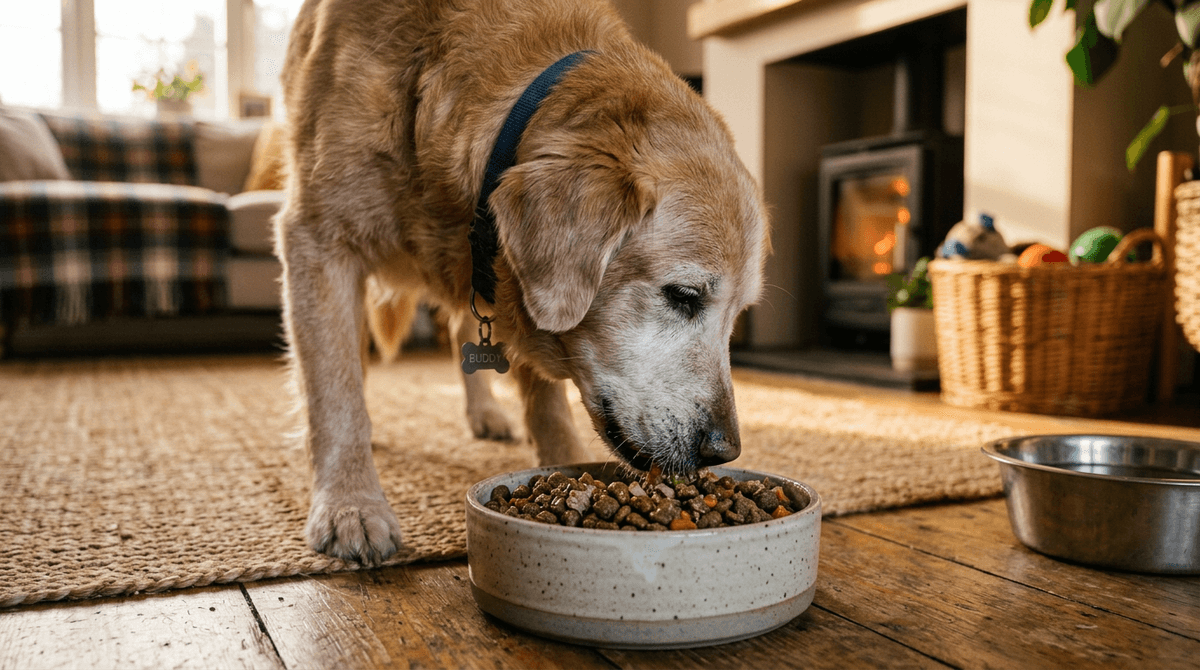
Dry dog food, or kibble, is the most common and convenient way to feed our canine companions. It's affordable, easy to store, and formulated to provide complete nutrition. However, there are times when hard, crunchy kibble is no longer the best option for your dog.
Whether you have a senior dog struggling with dental issues or a notoriously picky eater who turns their nose up at plain dry food, softening their meals can make a world of difference. In this guide, we’ll explore why you might need to soften your dog's food and the healthiest, most effective ways to do it.
Why Soften Dry Dog Food?
There are several compelling reasons to transition your dog away from hard kibble:
1. Dental Problems in Senior Dogs
As dogs age, they often develop dental disease, loose teeth, or sensitive gums. Chewing hard kibble can become painful, leading them to eat less and potentially lose weight. Softening the food makes it easier to chew and swallow without discomfort.
2. Dehydration
Many dogs, especially seniors, don't drink enough water throughout the day. Adding moisture to their meals is an excellent way to increase their overall hydration, which is crucial for kidney function and overall health.
3. Picky Eaters
Some dogs simply get bored with the texture and taste of plain kibble. Softening the food, especially with flavorful additions, enhances the aroma and makes the meal significantly more appetizing.
4. Digestive Issues
For dogs recovering from gastrointestinal upset or surgery, a softer, mushier meal is gentler on the stomach and easier to digest than hard kibble.
The Best Ways to Soften Dry Dog Food
When softening your dog's food, the goal is to add moisture and flavor without compromising the nutritional balance of their diet. Here are the most effective methods:
1. Warm Water (The Simplest Method)
The easiest and most cost-effective way to soften kibble is by adding warm water.
- How to do it: Add warm (not boiling) water to your dog's bowl of kibble. A good ratio is 1/4 cup of water for every 1 cup of food. Let it sit for 10-15 minutes until the kibble absorbs the water and becomes mushy. You can mash it with a fork if your dog prefers a puree consistency.
- Why it works: Warm water enhances the smell of the food, making it more enticing for picky eaters, while providing essential hydration.
2. Unsalted Bone Broth
Bone broth is a nutritional powerhouse, packed with collagen, amino acids, and minerals that support joint health and digestion.
- How to do it: Pour a splash of high-quality, unsalted bone broth over the kibble and let it soak. Ensure the broth does not contain onions or garlic, which are toxic to dogs.
- Why it works: The rich, savory flavor of bone broth is almost irresistible to dogs, making it a fantastic option for extremely picky eaters or dogs recovering from illness.
3. Wet Dog Food or Canned Food
Mixing in a spoonful of high-quality wet food is a classic trick for enticing picky eaters.
- How to do it: Mix 1-2 tablespoons of wet food into the dry kibble. The moisture from the wet food will slightly soften the kibble, while the strong aroma and meaty texture will encourage eating.
- Why it works: It adds both moisture and high-value protein to the meal. Just be sure to reduce the amount of dry kibble slightly to account for the extra calories in the wet food.
4. Plain, Unsweetened Yogurt or Kefir
Adding a dollop of plain yogurt or kefir not only softens the food but also provides a boost of probiotics.
- How to do it: Stir a spoonful of plain, unsweetened yogurt (ensure it contains no xylitol or artificial sweeteners) into the kibble.
- Why it works: The probiotics support a healthy gut microbiome, which is especially beneficial for senior dogs with sensitive stomachs. The creamy texture coats the kibble, making it easier to swallow.
5. Goat's Milk
Goat's milk is highly digestible and often tolerated better than cow's milk by dogs.
- How to do it: Pour a small amount of raw or pasteurized goat's milk over the kibble and let it soak.
- Why it works: It’s rich in vitamins, minerals, and enzymes, and the taste is highly appealing to most dogs.
Important Considerations When Softening Food
While softening food is highly beneficial, there are a few things to keep in mind:
- Food Safety: Once moisture is added to dry kibble, it becomes a breeding ground for bacteria. Do not leave softened food out for more than 20-30 minutes. If your dog doesn't finish it, discard the leftovers and wash the bowl thoroughly.
- Dental Health: Hard kibble provides some mechanical scraping action on the teeth (though not enough to replace brushing). If you switch to an entirely soft diet, you must be diligent about brushing your dog's teeth or providing dental chews to prevent plaque buildup.
- Caloric Intake: If you are adding extras like bone broth, wet food, or yogurt, remember that these contain calories. Adjust your dog's overall portion size to prevent unwanted weight gain.
Conclusion
Softening your dog's dry food is a simple, effective way to improve their hydration, ease dental pain, and make mealtime exciting again. Whether you choose warm water, savory bone broth, or probiotic-rich yogurt, these small additions can significantly enhance your senior or picky dog's quality of life.


