
If your dog is constantly scratching, suffering from chronic ear infections, or dealing with ongoing gastrointestinal issues like diarrhea or vomiting, they might be suffering from a food allergy or intolerance. Diagnosing and managing food allergies can be a frustrating process, but choosing the right hypoallergenic diet is the crucial first step.
In this comprehensive guide, we'll break down the two main types of hypoallergenic dog foods—novel protein diets and hydrolyzed diets—to help you and your veterinarian determine the best path forward for your itchy or uncomfortable pup.
Understanding Canine Food Allergies
True food allergies in dogs are an immune system response to a specific protein in their diet. When the dog's body encounters this protein, it mistakenly identifies it as a harmful invader, triggering an allergic reaction.
The most common food allergens for dogs are actually the most common ingredients found in commercial dog foods:
- Beef
- Dairy
- Chicken
- Wheat
- Soy
To treat a food allergy, you must completely remove the offending protein from the dog's diet. This is usually done through an elimination diet trial using either a novel protein or a hydrolyzed diet.
Novel Protein Diets: The "New" Meat Approach
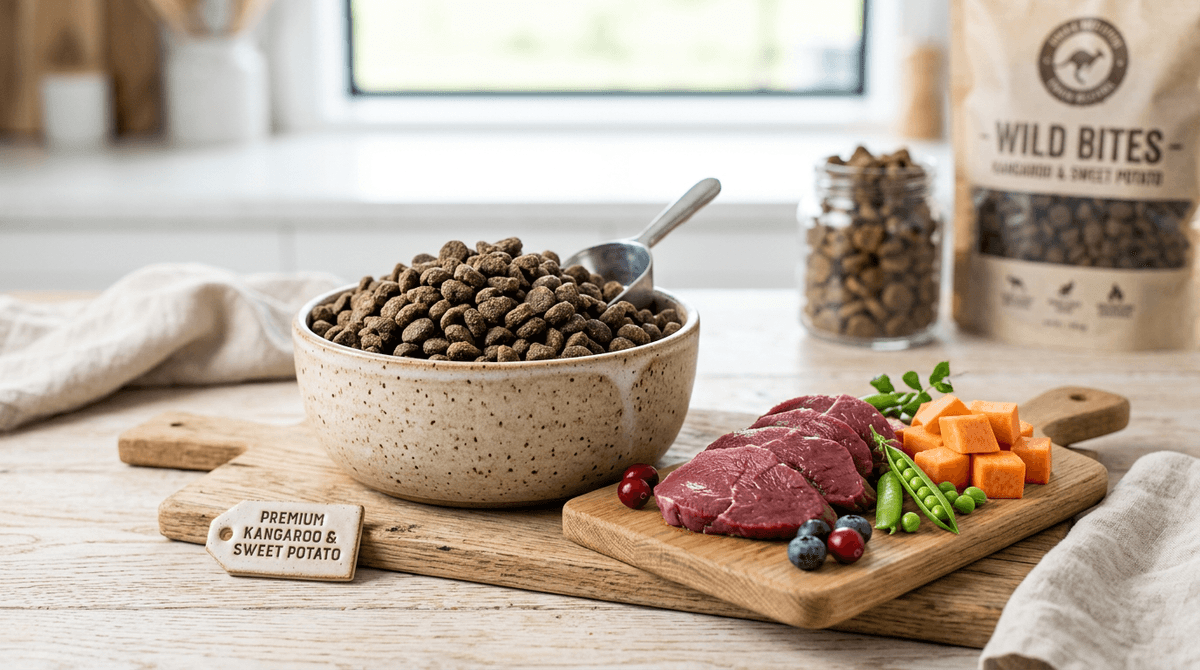
A novel protein diet utilizes a protein source that your dog has never eaten before. Because their immune system has never been exposed to it, it cannot have developed an allergy to it.
How Novel Protein Diets Work
If your dog has only ever eaten chicken and beef, a novel protein diet might feature:
- Venison
- Duck
- Kangaroo
- Rabbit
- Alligator
- Fish (if they haven't had it previously)
These diets also typically pair the novel protein with a novel carbohydrate source, such as sweet potato, peas, or oatmeal.
Pros of Novel Protein Diets
- Natural Ingredients: They often use whole, recognizable ingredients.
- Palatability: Many dogs find novel proteins like duck or venison very tasty.
- Over-the-Counter Options: While prescription novel protein diets are available (and generally safer due to stricter manufacturing), there are many over-the-counter options, making them more accessible.
Cons of Novel Protein Diets
- Cross-Contamination: Over-the-counter novel protein diets are often manufactured on the same equipment as regular diets. Even a microscopic trace of chicken or beef can trigger an allergic reaction in a highly sensitive dog, ruining the elimination trial.
- Finding a True "Novel" Protein: With the explosion of exotic ingredients in standard dog foods, finding a protein your dog has truly never had can be difficult.
Hydrolyzed Diets: The Science-Backed Solution
Hydrolyzed diets take a completely different approach. Instead of using a new protein, they use a common protein (like chicken or soy) that has been chemically broken down (hydrolyzed) into microscopic pieces.
How Hydrolyzed Diets Work
The protein molecules are broken down into amino acids and peptides that are so small, the dog's immune system literally cannot recognize them as the original allergen. It's like taking a Lego castle (the whole protein) and breaking it down into individual blocks (amino acids). The immune system is looking for the castle, so it ignores the blocks.
Pros of Hydrolyzed Diets
- Highly Effective: They are generally considered the gold standard for diagnosing and managing severe food allergies, as they bypass the immune system almost entirely.
- Strict Manufacturing: These are prescription-only diets manufactured under incredibly strict protocols to prevent any cross-contamination.
- Digestibility: Because the proteins are already broken down, these diets are exceptionally easy to digest, making them great for dogs with concurrent GI issues like Inflammatory Bowel Disease (IBD).
Cons of Hydrolyzed Diets
- Cost: The specialized manufacturing process makes these diets significantly more expensive than standard or even novel protein foods.
- Palatability: The hydrolysis process can sometimes make the food taste bitter or less appealing to picky eaters.
- Prescription Required: You must obtain these diets through your veterinarian.
Which Diet is Right for Your Dog?
The choice between a novel protein and a hydrolyzed diet depends on your dog's specific history and the severity of their symptoms.
- For the Elimination Trial: Most veterinary dermatologists recommend starting with a strict prescription hydrolyzed diet for an 8-12 week elimination trial. This is the most reliable way to confirm if a food allergy is truly the culprit, as it eliminates the risk of cross-contamination.
- Long-Term Management: Once a food allergy is confirmed, some owners choose to keep their dog on the hydrolyzed diet long-term. Others may try transitioning to a carefully selected novel protein diet to see if the dog tolerates it, which can be more cost-effective.
Conclusion
Managing a dog with food allergies requires patience and strict adherence to the chosen diet—no table scraps, no flavored medications, and no unauthorized treats! Whether you and your vet choose a novel protein approach or the scientific precision of a hydrolyzed diet, finding the right hypoallergenic food will bring much-needed relief to your furry best friend.


