
When you walk down the pet food aisle, you are often bombarded with countless options. Among the most common choices for feline friends are "indoor" formulas and "regular" (or adult maintenance) formulas. But what exactly is the difference? Is indoor cat food just a marketing gimmick, or does it offer real benefits for your housebound kitty?
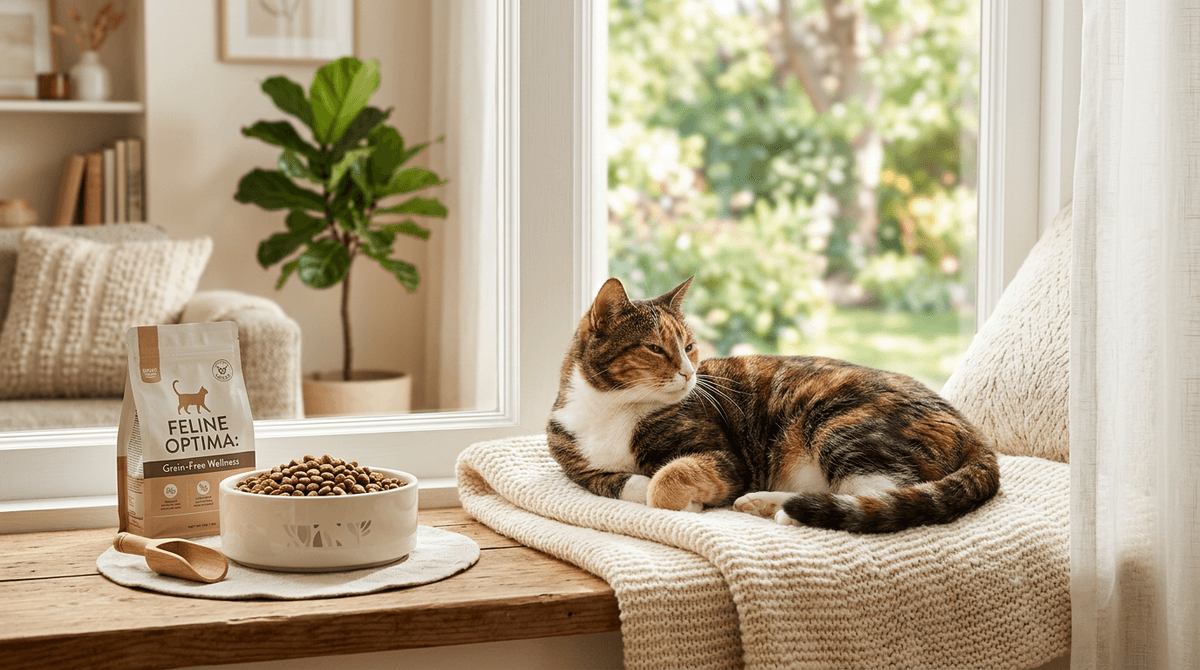
In this comprehensive guide, we will explore the key differences between indoor cat food and regular cat food, focusing on calorie counts, activity levels, hairball control, and overall nutritional profiles.
The Lifestyle of an Indoor Cat
To understand why indoor cat food exists, we first need to look at the lifestyle of an indoor cat compared to an outdoor or indoor/outdoor cat.
Lower Activity Levels
The most significant difference is activity. Outdoor cats roam, hunt, climb trees, and defend their territory. This high level of physical activity burns a significant amount of calories.
Indoor cats, on the other hand, lead a much more sedentary lifestyle. While they may have bursts of energy (the famous "zoomies"), their overall daily calorie expenditure is much lower. They spend a large portion of their day sleeping, grooming, and lounging.
Temperature Regulation
Outdoor cats are exposed to the elements. During colder months, they burn extra calories just to maintain their body temperature. Indoor cats live in climate-controlled environments, meaning they don't need to expend energy to stay warm.
Calorie Differences: The Core Distinction
Because indoor cats burn fewer calories, feeding them a regular, high-calorie diet can quickly lead to weight gain and obesity. Feline obesity is a massive health crisis, leading to diabetes, joint issues, and a shortened lifespan.
Regular Cat Food Calories
Regular adult cat food is formulated to meet the energy needs of an active cat. It typically contains higher levels of fat and protein to provide sustained energy.
Indoor Cat Food Calories
Indoor formulas are specifically designed to be less calorie-dense. They achieve this by:
- Reducing Fat Content: Fat is the most calorie-dense macronutrient. Indoor formulas usually have a lower fat percentage.
- Increasing Fiber: Fiber adds bulk to the food without adding calories. This helps your cat feel full and satisfied even though they are consuming fewer calories.
Beyond Calories: Other Key Differences
While calorie count is the primary difference, indoor cat foods often include other specific nutritional tweaks to address the unique needs of indoor living.
Hairball Control
Indoor cats spend a significant amount of time grooming themselves—up to 50% of their waking hours! Because they don't shed their coats in the same seasonal patterns as outdoor cats (due to artificial lighting and constant temperatures), they often ingest more hair year-round.
Indoor cat foods frequently include specialized fiber blends (like cellulose or beet pulp) designed to help push hair through the digestive tract, reducing the formation of hairballs.
Odor Control
Let's face it: indoor cats use a litter box, and odor control is a priority for pet parents. Many indoor formulas include ingredients like Yucca schidigera extract. This natural ingredient has been shown to reduce the odor of feces by binding to ammonia and other odor-causing compounds in the gut.
Protein Quality and Lean Muscle
Even though indoor cats need fewer calories, they still need high-quality protein to maintain lean muscle mass. A good indoor formula will prioritize high-quality animal proteins (like chicken, turkey, or fish) while keeping the overall fat and calorie content in check.
How to Choose the Right Food for Your Cat
So, should you automatically switch to an indoor formula if your cat never goes outside? Not necessarily. Here are some factors to consider:
Assess Your Cat's Body Condition
The most important factor is your cat's current body condition score (BCS).
- If your indoor cat is lean, active, and maintaining a healthy weight on regular food, there may be no need to switch.
- If your indoor cat is starting to get a little "pudgy" or is already overweight, switching to an indoor or weight management formula is a smart move.
Consider Interactive Play
You can increase your indoor cat's calorie burn through active play. Using wand toys, laser pointers, and puzzle feeders can encourage movement and mimic hunting behaviors. If you are highly dedicated to exercising your cat daily, they may be able to handle a regular diet.
Consult Your Veterinarian
Always consult your veterinarian before making a significant change to your cat's diet. They can assess your cat's specific health needs, weight, and activity level to recommend the best nutritional approach.
Conclusion
Indoor cat food is not a gimmick; it is a specialized diet formulated to address the specific lifestyle challenges of housebound felines. By offering lower calories, increased fiber for hairball control, and ingredients to reduce litter box odor, indoor formulas can help keep your sedentary cat healthy, lean, and comfortable.
Remember to monitor your cat's weight regularly and adjust their diet and exercise routine as needed to ensure a long, happy life indoors.


