
It can be incredibly frustrating when your dog refuses to eat. You buy the highest quality kibble, serve it up with love, and they just sniff it and walk away. If you're dealing with a picky eater, you're not alone. Many dog owners face this challenge, but with the right approach, you can turn mealtime from a battle of wills into an enjoyable experience for your furry friend.
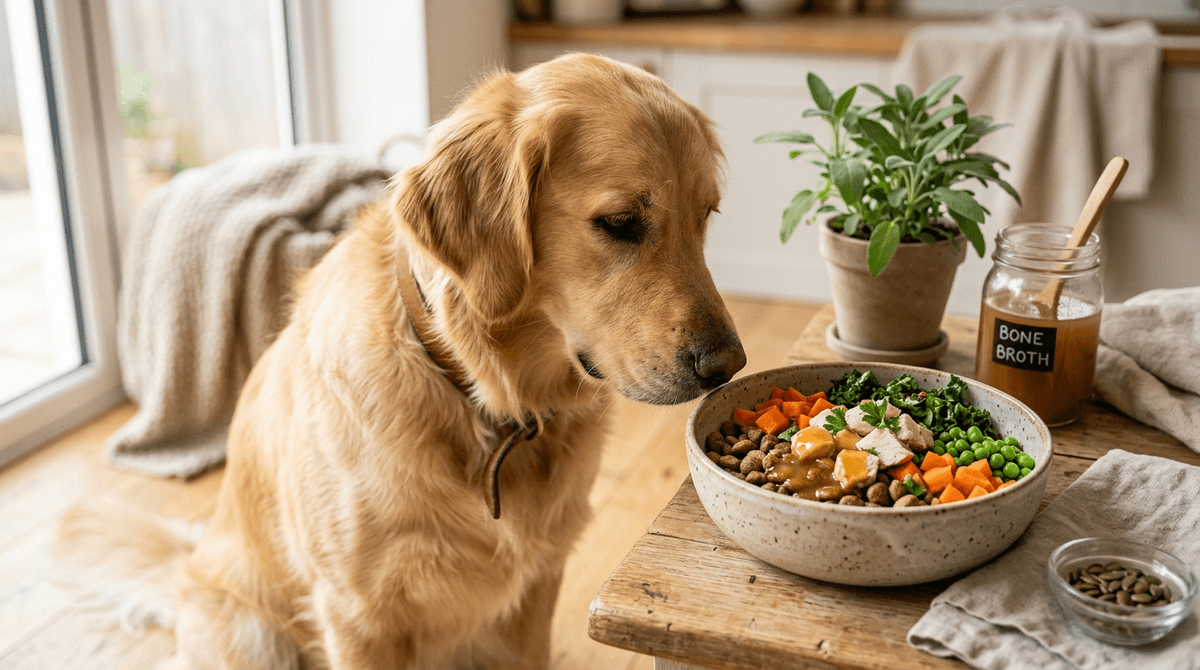
In this comprehensive guide, we'll explore why dogs become picky eaters, the best healthy food toppers to entice them, natural appetite stimulants, and behavioral strategies to establish healthy eating habits.
Why Is My Dog a Picky Eater?
Before introducing new foods or supplements, it's crucial to understand why your dog is turning their nose up at their bowl.
1. Medical Issues
A sudden loss of appetite is often the first sign of illness. Dental disease, gastrointestinal upset, kidney issues, or infections can make eating painful or unappealing. Always consult your veterinarian if your dog's eating habits change suddenly, especially if accompanied by lethargy, vomiting, or diarrhea.
2. Overfeeding and Too Many Treats
Are you guilty of slipping your dog table scraps or handing out treats throughout the day? If a dog knows they can hold out for a piece of steak or a high-value treat, they will likely ignore their regular food.
3. Stale or Spoiled Food
Dogs have an incredible sense of smell. If their kibble has been sitting open for weeks, the fats may have gone rancid. Always store pet food properly to maintain freshness. (Check out our guide on How to Store Pet Food Properly).
4. Behavioral and Environmental Stress
Changes in the household, a new pet, loud noises, or separation anxiety can suppress a dog's appetite. Some dogs prefer to eat in a quiet, secluded area away from foot traffic.
Healthy Food Toppers for Dogs
If your vet has ruled out medical issues, adding a healthy, high-value topper to your dog's regular food is one of the easiest ways to encourage them to eat.
Bone Broth
Bone broth is a nutritional powerhouse. It's rich in collagen, amino acids, and minerals. More importantly, it smells and tastes amazing to dogs.
- How to use: Pour a small amount of warm (not hot) unsalted, dog-safe bone broth over their kibble. The moisture and aroma will make the food irresistible. Note: Ensure the broth does not contain onions or garlic, which are toxic to dogs.
Plain Pumpkin Purée
Pumpkin is excellent for digestive health, providing a healthy dose of soluble fiber. Many dogs love the slightly sweet taste.
- How to use: Mix 1-2 tablespoons of 100% pure pumpkin purée (not pumpkin pie filling) into their food.
Fresh Vegetables and Fruits
Adding a crunch or a burst of natural flavor can make meals more exciting.
- Safe options: Steamed green beans, carrots, blueberries, or a few slices of apple (no seeds).
Plain Yogurt or Kefir
A dollop of plain, unsweetened yogurt or kefir adds beneficial probiotics to your dog's diet, supporting gut health while adding a creamy texture they love.
Canned Fish
A small amount of canned sardines or salmon (packed in water, no added salt) provides a strong, enticing aroma and a healthy dose of Omega-3 fatty acids for skin and coat health.
Natural Appetite Stimulants for Dogs
Sometimes, food toppers aren't enough, and you need something specifically designed to stimulate the appetite.
1. Warm Water
The simplest trick in the book! Adding warm water to dry kibble enhances the aroma of the fats in the food, making it much more appealing. Let it sit for a few minutes to create a gravy-like consistency.
2. CBD Oil for Dogs
High-quality, pet-safe CBD oil has been shown to help reduce anxiety and nausea, which can indirectly stimulate a dog's appetite. Always consult your vet before introducing CBD.
3. Acupuncture and Massage
Holistic approaches like acupuncture can help balance the body and stimulate the digestive system. Gentle massage before mealtime can also relax an anxious dog.
4. Prescription Appetite Stimulants
If your dog is losing weight or recovering from an illness, your veterinarian may prescribe medications like Mirtazapine or Entyce (capromorelin) to trigger their hunger signals.
Behavioral Tricks for Fussy Eaters
How you feed your dog is just as important as what you feed them. Try these behavioral adjustments:
- Establish a Routine: Feed your dog at the same times every day. Dogs thrive on routine.
- The 15-Minute Rule: Put the food bowl down. If your dog hasn't eaten it in 15 minutes, pick it up and offer nothing else until the next scheduled meal. This teaches them that food is not available on demand.
- Cut Back on Treats: Limit treats to no more than 10% of their daily caloric intake.
- Make Them Work for It: Some dogs prefer to "hunt" for their food. Use puzzle toys, snuffle mats, or scatter feeding to make mealtime mentally stimulating.
- Exercise Before Meals: A good walk or play session before dinner can naturally stimulate your dog's appetite.
Conclusion
Dealing with a picky eater requires patience and consistency. By ruling out medical issues, minimizing treats, and introducing healthy toppers like bone broth or pumpkin, you can help your dog rediscover their love for food. Remember, a healthy dog will not starve themselves. Stick to your routine, and soon enough, mealtime will be a breeze!


