
Feline obesity is one of the most common nutritional disorders seen in veterinary practices today. While a chubby cat might seem cuddly, excess weight significantly impacts their quality of life and predisposes them to a host of serious medical conditions, including diabetes mellitus, osteoarthritis, and urinary tract disease.
Managing a cat's weight is notoriously difficult. Cats are obligate carnivores with unique metabolic needs, and simply "feeding them less" of their regular food can lead to dangerous nutritional deficiencies and a life-threatening condition called hepatic lipidosis (fatty liver disease).
In this comprehensive guide, we'll explore effective strategies for feline weight loss, how to choose the right weight loss cat food, and how to safely implement a diet plan.
The Risks of Feline Obesity
Understanding the severe health implications of obesity is the first step in committing to a weight loss plan for your cat.
- Diabetes Mellitus: Obese cats are up to four times more likely to develop diabetes than cats at an ideal weight. The excess fat tissue causes insulin resistance.
- Osteoarthritis: The extra weight places immense stress on the joints, accelerating the breakdown of cartilage and causing chronic pain.
- Feline Lower Urinary Tract Disease (FLUTD): Overweight cats are less active and may urinate less frequently, increasing the risk of crystal formation and urinary blockages.
Assessing Your Cat's Body Condition
Veterinarians use a Body Condition Score (BCS), typically on a 9-point scale, to assess a cat's weight. An ideal score is 5/9.
- Rib Check: You should be able to feel your cat's ribs with a slight fat covering, but they shouldn't be visible.
- Waistline: Viewed from above, your cat should have a discernible waist behind the ribs.
- Abdominal Tuck: Viewed from the side, the abdomen should tuck upwards. A prominent, sagging "belly pouch" (primordial pouch) is normal in some breeds, but it should feel like loose skin, not thick fat.
The Dangers of Rapid Weight Loss in Cats
Unlike dogs or humans, cats cannot safely undergo rapid weight loss or starvation diets. If a cat's caloric intake is severely restricted, their body rapidly mobilizes fat stores to the liver for energy. The feline liver is inefficient at processing this sudden influx of fat, leading to hepatic lipidosis (fatty liver disease), a potentially fatal condition that causes liver failure.
A safe rate of weight loss for a cat is 0.5% to 2% of their body weight per week.
Choosing the Right Weight Loss Cat Food
To achieve safe and effective weight loss, you need a diet specifically formulated for the task. Here are the key components of a high-quality weight loss cat food:
1. High Protein, Low Carbohydrate
Cats are obligate carnivores; their bodies are designed to use protein and fat for energy, not carbohydrates. High-protein diets help maintain lean muscle mass during weight loss and promote satiety. Many over-the-counter "light" diets simply replace fat with carbohydrates, which is counterproductive for feline metabolism. Look for diets where protein is the primary calorie source.
2. Moisture-Rich (Canned Food)
Switching from dry kibble to canned wet food is often the most effective single change you can make for feline weight loss. Canned food is typically much higher in protein and lower in carbohydrates than dry food. Furthermore, the high moisture content (around 78%) adds significant volume to the meal without adding calories, helping the cat feel full.
3. Increased Dietary Fiber
If you must feed dry food, look for formulas with increased dietary fiber (like cellulose or beet pulp). Fiber provides bulk, diluting the caloric density of the food and promoting a feeling of fullness.
4. L-Carnitine Supplementation
L-carnitine is an amino acid that helps transport fatty acids into the mitochondria to be burned for energy, aiding in fat loss while preserving lean muscle.
Implementing the Weight Loss Plan
Success requires a multi-faceted approach involving diet, portion control, and environmental enrichment.
Step 1: Calculate the Target Calories
Work with your veterinarian to determine your cat's ideal weight and calculate the necessary caloric restriction. This usually involves feeding 80% of the Resting Energy Requirement (RER) for their ideal weight.
Step 2: Ditch the Free-Feeding
Leaving a bowl of dry food out all day (free-feeding) is the leading cause of feline obesity. Transition to measured, portion-controlled meals fed 2-3 times a day.
Step 3: Measure with a Gram Scale
Do not rely on measuring cups. The density of kibble varies wildly. Weighing the food on a digital kitchen scale in grams ensures precise caloric intake and prevents accidental overfeeding.
Increasing Activity and Enrichment
Diet alone is rarely enough; you must increase your cat's energy expenditure.
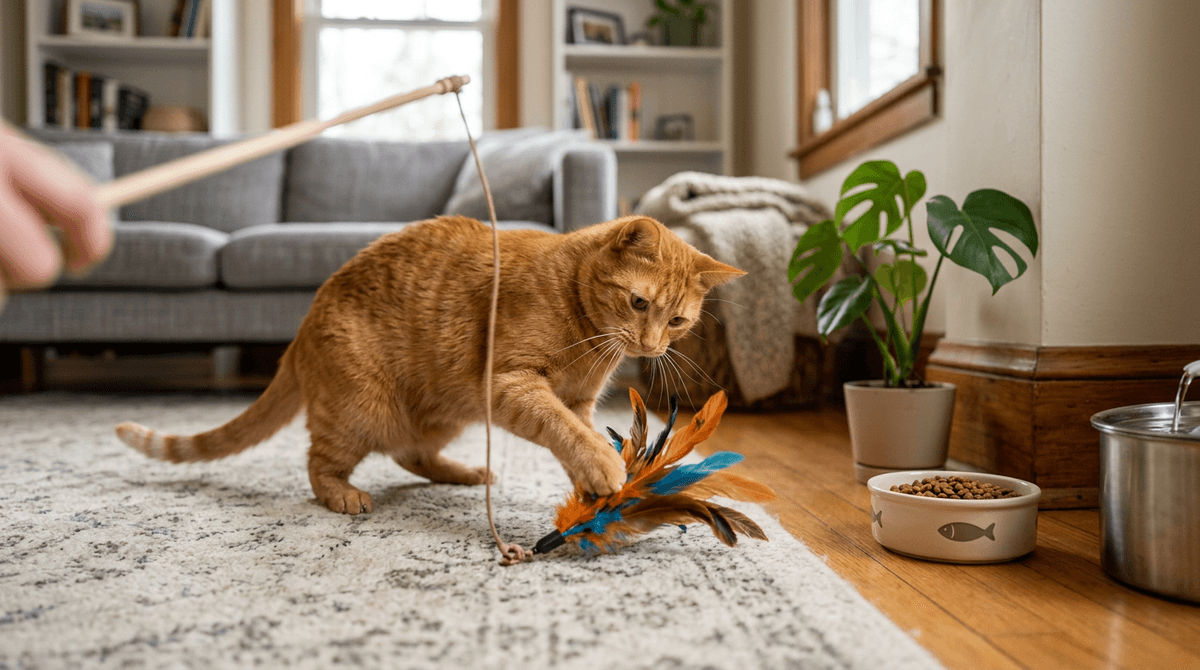
- Interactive Play: Dedicate 10-15 minutes twice a day to active play using wand toys, laser pointers, or feather teasers.
- Food Puzzles: Make them work for their food. Use puzzle feeders or hide small portions of their daily kibble allowance around the house to encourage hunting behavior.
- Vertical Space: Provide cat trees and shelves to encourage jumping and climbing.
Conclusion
Managing feline obesity is a marathon, not a sprint. By choosing a high-protein, moisture-rich weight loss cat food, strictly controlling portions, and encouraging daily activity, you can safely help your cat reach their ideal weight and significantly improve their health and longevity. Always consult your veterinarian before starting a weight loss program to ensure it's done safely.


