
Pet obesity is an epidemic. According to recent studies, over half of all dogs in developed nations are overweight or obese. While a chubby pup might look cute, excess weight carries severe health risks, including osteoarthritis, diabetes, heart disease, and a significantly shortened lifespan.
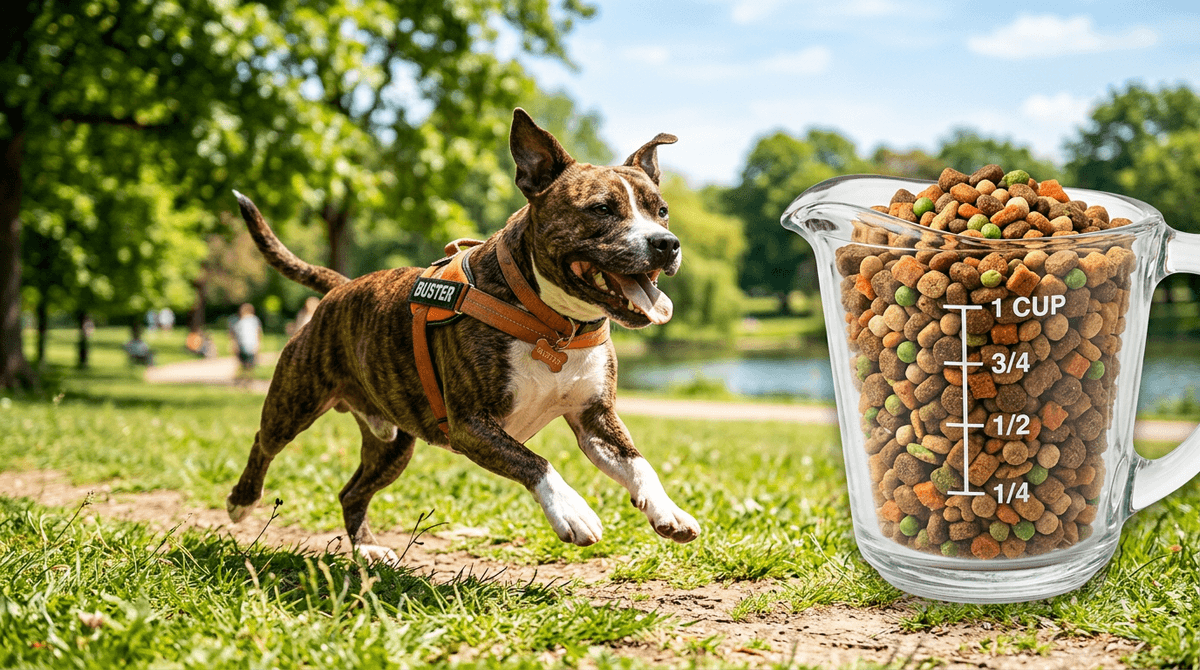
Helping your dog lose weight isn't just about feeding them less; it's about feeding them smarter. In this guide, we'll explore how to safely reduce your dog's caloric intake, choose the right weight loss dog food, and implement a sustainable weight management plan.
The Dangers of Canine Obesity
Before starting a weight loss journey, it's important to understand why it matters. Excess fat tissue isn't just passive storage; it secretes inflammatory hormones that affect the entire body.
- Joint Stress: Extra weight accelerates the breakdown of cartilage, leading to painful arthritis.
- Metabolic Issues: Obesity drastically increases the risk of insulin resistance and diabetes.
- Reduced Lifespan: Studies have shown that lean dogs live up to 2.5 years longer than their overweight counterparts.
How to Determine if Your Dog is Overweight
Don't rely just on the scale; use the Body Condition Score (BCS).
- The Rib Test: You should be able to feel your dog's ribs easily without pressing hard, but you shouldn't see them prominently.
- The Profile View: Your dog's abdomen should tuck up behind their rib cage, not hang down level with it.
- The Overhead View: Looking down from above, your dog should have a visible waist behind the ribs.
Why You Can't Just "Feed Less" Regular Food
The most common mistake owners make is simply cutting their dog's regular food portion in half. This is dangerous.
Commercial dog foods are formulated to provide a specific balance of vitamins, minerals, and amino acids based on a certain caloric intake. If you drastically reduce the volume of regular food, you are also drastically reducing their intake of essential nutrients, leading to malnutrition.
Furthermore, simply feeding less leaves the dog feeling hungry, leading to begging, scavenging, and behavioral issues.
Choosing the Right Weight Loss Dog Food
A high-quality weight loss or "light" dog food is formulated specifically to address these issues. Here's what to look for:
1. High Protein Content
Protein is crucial during weight loss. It helps maintain lean muscle mass while the body burns fat. It also promotes satiety (the feeling of fullness). Look for diets where high-quality animal protein is the first ingredient.
2. Increased Fiber
Fiber is the secret weapon in weight loss diets. It adds bulk to the food without adding calories, helping your dog feel full and satisfied after a meal. Ingredients like pumpkin, sweet potato, cellulose, and beet pulp are excellent sources of dietary fiber.
3. Lower Fat Content
Fat contains more than twice the calories per gram than protein or carbohydrates. Reducing the fat content is the most efficient way to lower the overall caloric density of the food.
4. L-Carnitine
Many premium weight loss diets include L-carnitine, an amino acid derivative that helps the body metabolize fat and turn it into energy, preserving lean muscle mass.
How to Safely Reduce Calories
Weight loss should be a slow and steady process. A safe rate of weight loss is 1% to 2% of their body weight per week.
Step 1: Calculate Current Intake
Figure out exactly how many calories your dog is currently eating, including all meals, treats, and table scraps.
Step 2: Determine Target Calories
Consult your veterinarian to determine your dog's ideal weight and calculate their Resting Energy Requirement (RER) for that ideal weight. A common formula for weight loss is:
Target Calories = RER for Ideal Weight x 0.8
Step 3: Measure Accurately
Ditch the scoop and use a digital kitchen scale. Measuring by weight (grams) is vastly more accurate than measuring by volume (cups) and prevents accidental overfeeding.
The Role of Treats in Weight Loss
Treats should never make up more than 10% of your dog's daily caloric intake. When your dog is on a diet, swap high-calorie commercial treats for low-calorie alternatives:
- Green beans (frozen or fresh)
- Baby carrots
- Apple slices (no seeds)
- Plain rice cakes
Exercise: The Other Half of the Equation
Diet is the primary driver of weight loss, but exercise is essential for maintaining muscle mass and boosting metabolism.
- Start slow: If your dog is heavily overweight, start with short, low-impact walks or swimming.
- Increase gradually: Add 5-10 minutes to their activity level each week.
- Make it fun: Incorporate games like fetch, hide-and-seek, or puzzle toys that require them to move to get their food.
Conclusion
Helping your dog lose weight requires patience, consistency, and the right nutritional approach. By switching to a high-quality weight loss dog food, measuring portions accurately, and increasing their daily activity, you can safely guide your furry friend back to a healthy weight and a longer, happier life.


