
Key takeaways
- Official sources beat social media for recall verification—always confirm the alert and affected lots.
- Lot codes and date codes are how manufacturers scope risk; “same brand” is not the same as “same batch.”
- Most dietary upset is not a recall—but some contaminants require urgent care; know the red flags.
- Safe storage and handling reduces spoilage and cross-contamination risks separate from recalls.
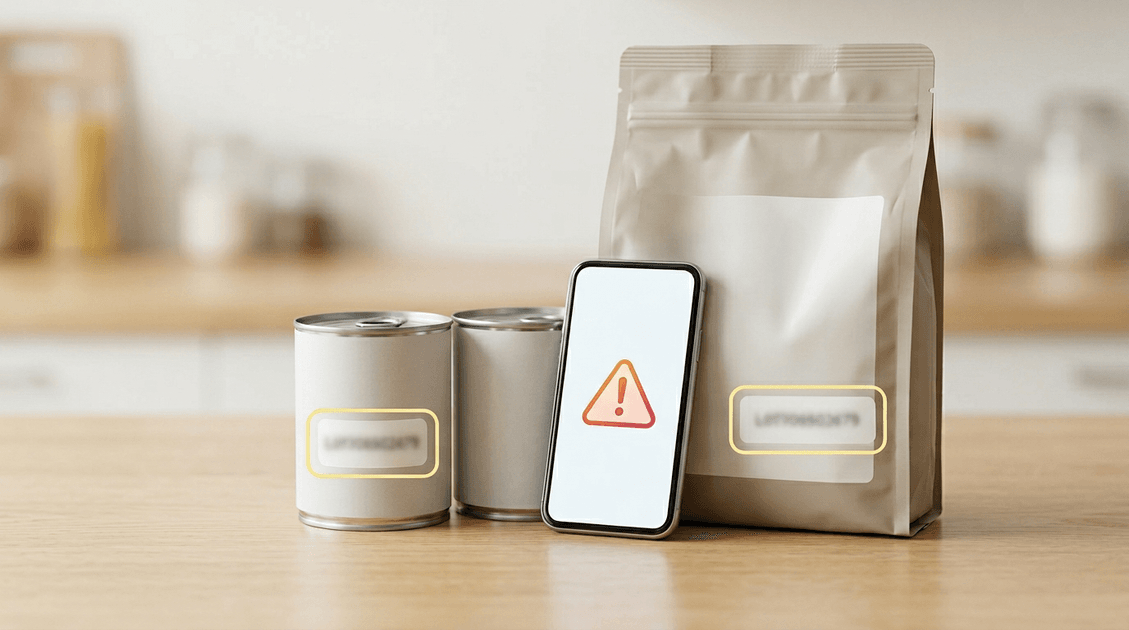
Pet food is among the most regulated consumer products in many countries—yet recalls still happen. For pet parents, the emotional experience is often fear: Did I feed something dangerous? Is my dog safe? Should I go to the ER?
This guide is designed to be practical and calm: how to verify alerts, how to read packaging, and how to separate recall risk from everyday GI upset—without replacing your veterinarian’s judgment.
What a recall usually means (and what it doesn’t)
Recalls are typically initiated when:
- A contaminant is suspected or confirmed (e.g., pathogens, certain toxins)
- A labeling error creates a health risk (e.g., undeclared ingredient that triggers allergy)
- A manufacturing deviation affects nutrient adequacy or safety
A recall does not automatically mean every bag in your pantry is affected. Lot scoping is everything.
Where to check official information (principles, not a single fragile link)
Policies and websites evolve. Use this hierarchy:
- Regulatory bodies for your region (for U.S. readers, official government recall channels and manufacturer announcements)
- The manufacturer’s official site and press releases
- Your veterinarian if your pet is symptomatic
Treat viral posts as unverified until you match lot codes.
How to find lot and date codes on packaging
Packaging varies, but commonly:
- Lot / batch code: alphanumeric string
- Best-by / expiration: date used for household rotation
Tip: Photograph the label when you open a new bag or case. If a recall happens, you won’t rely on memory.
Build a 10-minute “kitchen audit” routine
Monthly (or when you buy in bulk)
- Rotate stock: first in, first out
- Check for torn bags, punctured cans, swelling cans (swelling can be serious—ask your veterinarian)
- Keep dry food in cool, dry conditions (see storage guide below)
When you hear about a recall
- Confirm the exact product name, size, and lot range
- Match your photographed label
- If affected: stop feeding and follow the recall instructions (often return, destroy, or contact the company)
Storage and handling: reduce non-recall risks
Many “my pet got sick after eating” stories are:
- Spoilage from heat/humidity
- Cross-contamination from raw diets in the kitchen
- Diet change too fast
Strong on-site resources:
- How to store pet food properly: rancidity and mites
- Why you shouldn’t switch your pet’s food suddenly
- Dangerous human foods you should never give your pet
Symptoms: when to call the vet urgently vs monitor
This is not an exhaustive clinical list—when in doubt, call a veterinarian.
Seek urgent guidance sooner if you see:
- Repeated vomiting with lethargy
- Bloody diarrhea
- Neurologic signs (staggering, seizures)
- Swelling, hives, or difficulty breathing (possible allergic emergency)
For mild, single vomiting episodes in an otherwise normal pet, your veterinarian may advise monitoring—but you should not self-triage high-risk situations using blogs.
Raw diets and food safety (extra caution)
If you feed raw or partially cooked diets, food safety practices matter even more. Cross-contamination and handling errors can cause illness separate from kibble recalls.
Read:
FAQ
If my lot isn’t listed, am I safe?
Usually, if the recall is lot-specific and your lot doesn’t match, you’re outside the stated scope—but always read the official notice for exceptions.
Should I change brands after any recall?
That’s a personal and medical decision. Some recalls are narrowly scoped manufacturing issues; others signal broader concerns. Your veterinarian can help if your pet has sensitivities.
Does PetMealPlanner track recalls for me?
No—use official sources. We help you with nutrition planning and body condition.
Conclusion
Recalls are manageable when you know how to verify and how to match lots. Pair that with solid storage habits and a good veterinarian relationship, and you’ll spend less time panicking and more time keeping pets healthy.
Disclaimer: Educational information only. For suspected poisoning, severe symptoms, or emergency signs, contact your veterinarian or an emergency clinic immediately.


